Polls reveal voters oppose gerrymandering, but states push forward in redistricting war
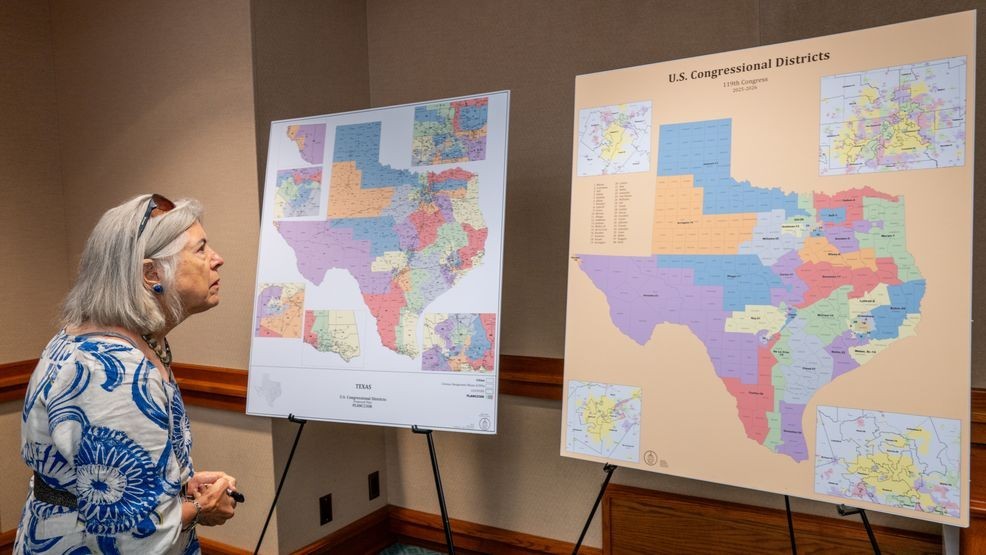
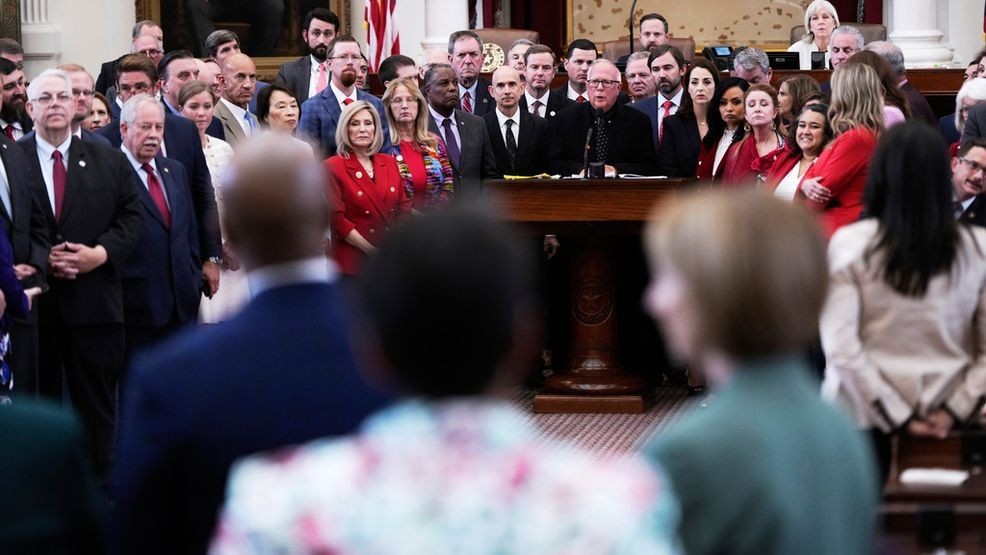
WASHINGTON (TNND) — Texas and California’s legislatures took their redistricting proposals another step forward this week in the latest escalation of a nationwide battle to use one-party control of state governments to gain an edge in the fight for control of Congress in the 2026 midterms.
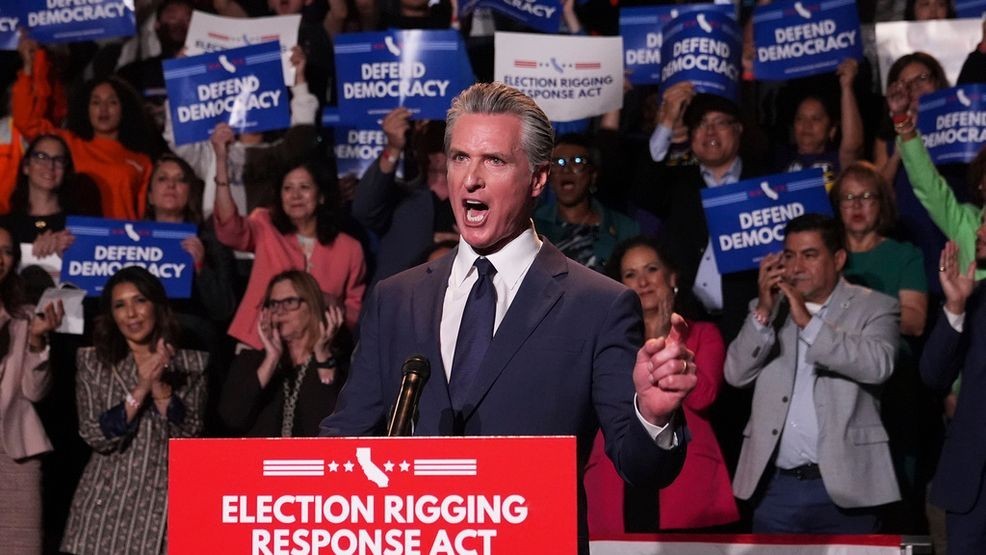
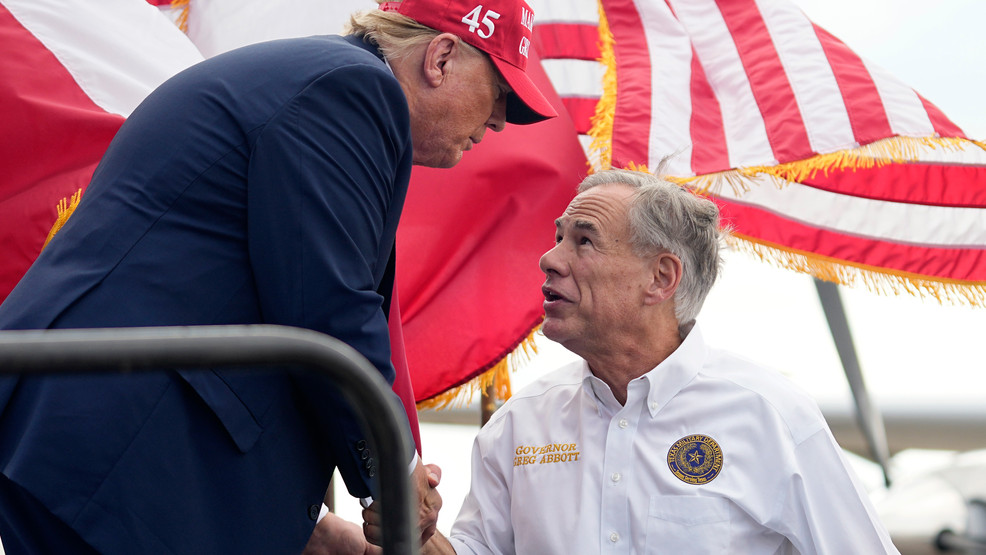
The Democratic majority in California’s legislature approved legislation on Thursday calling for a special election in November asking the state’s voters to approve a new congressional map designed to net the party five more seats in the House in the 2026 midterms. On Friday, Texas Republicans were set to advance their own mid-decade map makeover hoping to net the GOP five seats at the urging of President Donald Trump.
Redistricting typically occurs once a decade after the census and is typically not a subject of national prominence, but the back-and-forth between Democratic and Republican states has vaulted it into the middle of a political firestorm over control of Congress following the midterms.
“This is not something six weeks ago that I ever imagined that I’d be doing,” California Gov. Gavin Newsom said at a press conference on Thursday. “This is a reaction to an assault on our democracy in Texas.”
The president’s party typically loses seats in midterm elections as voters lash out against the party in power. Winning the House would Democrats a check on Trump’s sway over the federal government’s policy, an outcome he is hoping to avoid with partisan realignment of maps.
After backing pushes for nonpartisan commissions and a federal ban on gerrymandering, Democrats have increasingly shifted their approach in response to Texas and concerns about other GOP-led states following suit, frequently citing a need to “fight fire with fire” to keep up.
California’s retaliation to Texas has received backing from several groups and figures that had previously been opposed to gerrymandering and backed a national ban on partisan mapmaking.
Among them is former President Barack Obama, who told attendees at a Democratic fundraiser that Newsom was taking a “responsible approach” to countering Texas, which only goes into effect if Texas moves forward with its redraw of the maps.
“He said this is going to be responsible,” Obama said. “We’re not going to try to completely maximize it. We’re only going to do it if and when Texas and/or other Republican states begin to pull these maneuvers.”
California’s ballot measure sidelining its commission includes language that says it will only go into effect if Texas moves forward with its redraw, which Democrats argue puts the onus on Republicans to back off the increasingly sprawling redistricting fight.
“And we’re going to do it in a temporary basis because we’re keeping our eye on where we want to be long term,” Obama said. “I think that approach is a smart, measured approach, designed to address a very particular problem in a very particular moment in time.”
Voters are widely opposed to partisan redistricting with wide majorities saying gerrymanders are unfair and should be illegal, but there are no federal limits on the practice. States with limits have enacted them with voter initiatives creating nonpartisan or evenly balanced redistricting commissions, but federal law does not outlaw gerrymandering.
YouGov polling from the beginning of August found wide swaths of Americans are opposed to partisan gerrymandering. More than three-quarters of Americans describe it as unfair, 76% say it is a major problem and 69% of voters think it should be illegal. Nearly 67% of voters said they would prefer districts in their states that do not give an advantage to either party.
A new Reuters/Ipsos poll also found most Americans view partisan redistricting as a threat to democracy. Fifty-five percent of voters said changing House maps to secure seats has negative effects on democracy, including 46% of Republicans and 71% of Democrats.
“It is democratic backsliding, I do not think we can get the genie back into the bottle unless there is a universal desire to disarm, which I do not see that there is any kind of desire at all to disarm,” said Alison Dagnes, a political science professor at Shippensburg University.
Despite widespread opposition to partisan mapmaking among voters, there is little momentum in Congress for enacting such a change at the federal level. Some blue-state Republicans have introduced legislation seeking to put limits on redistricting like banning it in the middle of a decade, but those proposals are likely to fall flat within Congress and would likely be vetoed by Trump.
It's also unclear where the fight over House maps will end if Texas and California ultimately move forward with changing them in the run-up to election season to gain a partisan advantage.
Democratic Govs. JB Pritzker of Illinois and Kathy Hochul of New York have each said they are considering making new maps, while Republicans are considering drawing new lines in Florida, Missouri and Indiana.
“When you when you move the goalposts, and you move the guardrails and everything is a free-for-all, and there are no consequences for bad behavior, then the team that says, ‘we're not going to engage in bad behavior’ is going to lose,” Dagnes said.