After Texas and California, more states see 'all options on the table' for redistricting
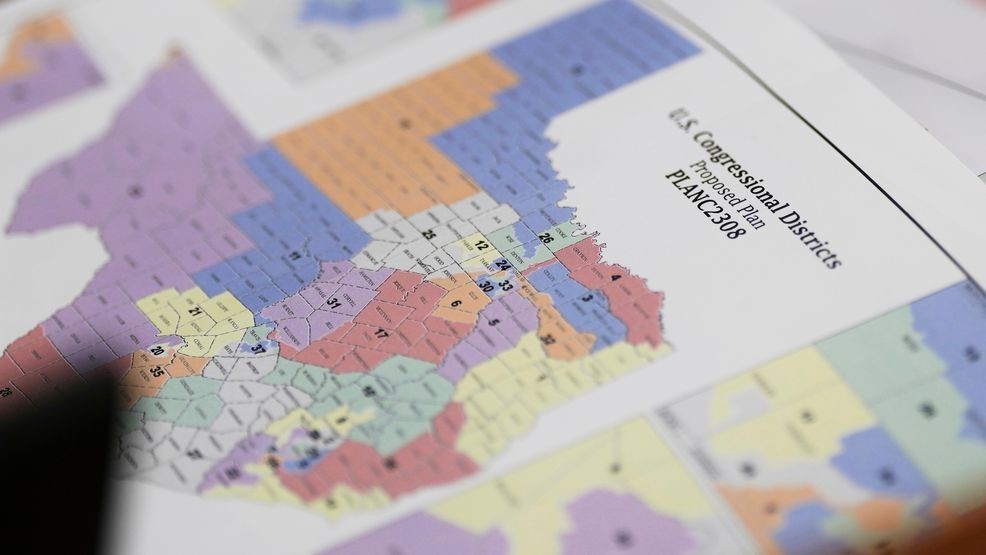
WASHINGTON (TNND) — President Donald Trump’s push for Texas Republicans to redraw the state’s map to favor the GOP ahead of the 2026 midterms has ignited a national battle over redistricting with both parties in full control of states looking to extract every seat they can through partisan mapmaking to win the House majority next year.
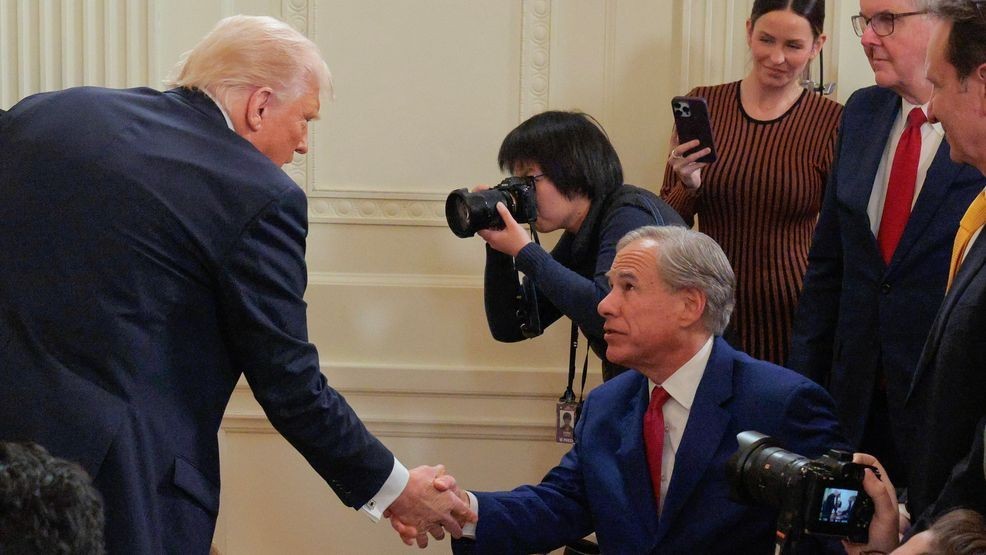
Texas Gov. Greg Abbott is set to sign his state’s new maps, which are expected to net Republicans five more seats next November, after the state Senate passed them over the weekend. Democratic state lawmakers had stalled their passage in the House for a month by fleeing the state but ultimately were unsuccessful and will have to turn to courts to block them.
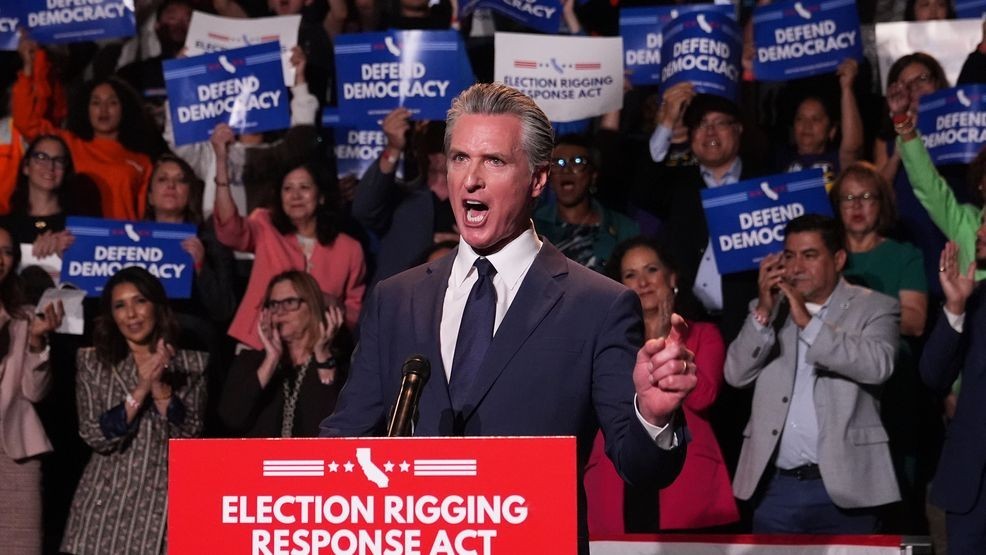
The partisan makeover of the maps in the middle of a decade has spurred California, the nation’s largest Democratic-dominated state, to respond in kind with a new map wiping out five seats currently held by Republicans. California’s response is not as simple as Texas and will require voters to approve a ballot measure this November to sideline the state’s independent redistricting commission to allow the replacement to go into effect.
While California is the only state so far to join the fray, several others are considering a mid-decade redraw of their maps in the expanding fight.
“It's not only going to spread to more states than just California and Texas, but I think we have the potential that this is probably going to spread into 2028,” said Shawn Donahue, a clinical assistant professor of political science at the University at Buffalo who studies redistricting. “It's just hard to see where this ends.”
New congressional maps are typically drawn at the beginning of each decade following the census, distributing power equally among populations. State where one party controls government frequently draw maps that favor themselves with few stipulations other than not being allowed to be racially discriminatory and must be equal by population.
But the fight between Texas and California has reshaped the landscape of redistricting with a growing slate of states considering whether to remake their maps with future election cycles in mind.
The redistricting saga could also have impacts beyond 2026 as more states join the fray in coming years. With a new precedent being set for mid-decade redistricting based on partisan rationale, the scale could escalate in the coming years. Every state will have to redraw maps after the 2030 census, but those maps could be redone repeatedly over election cycles barring intervention on the federal level from Congress.
If a true nationwide redistricting battle were to break out, Republicans would hold a slight advantage with how state legislatures’ party splits and election rules work. More Democratic-led states also have redistricting commissions that add another hurdle for Democrats hoping to counter Republicans to clear. A potential wild card in all of it is the nation’s courts that could strike down maps for a host of reasons.
Fourteen additional Republican states have rules and majorities in place that would allow them to immediately pass a new map. Just three Democratic states — Oregon, Illinois and Maryland — could do the same.
Maryland Gov. Wes Moore, considered to be a potential 2028 Democratic presidential contender in a public feud with Trump, said his heavily blue-leaning state was considering eliminating its lone Republican seat currently held by Rep. Andy Harris.
“When I say all options are on the table, all options are on the table,” Moore said in an interview on “Face the Nation.” When asked if was “actively looking” at redistricting, the governor said, “Yes, and I think we have to because I think what’s happened is this is what people hate about politics in the first place.”
Illinois Gov. JB Pritzker, another potential 2028 candidate, has said his Democratic-dominated state would also look into a mid-decade redraw. It’s unclear whether Oregon will seek to redraw its map to wipe out the lone Republican-leaning seat out of its five districts.
Republican-leaning Ohio is already required by law to redraw its districts this year, while Florida and Missouri have signaled interest as well. The Trump administration has pushed Indiana to follow suit, but it is unclear if the legislature has been persuaded to do so.
The end result could be a larger share of seats being heavily leaning in either party’s favor, making the House less competitive from cycle to cycle with fewer districts up for grabs.
“Are you just going to try to make it where if one party has control of redistricting a state, they try to get all the seats, no matter how big the size of the delegation?” Donahue said. “If a state is 60% one way or the other, and you can manage to draw all the districts where they're 60%, you can do some real damage.”