Health officials urge vaccination amid rise in whooping cough cases
CHARLESTON, W.Va. (WCHS) — The West Virginia Department of Health is warning doctors, hospitals and county health departments that whooping cough is on the rise.
“We are seeing a significant rise in whooping cough throughout the state,” Kanawha County Health Department officer Dr. Steven Eshenaur said. “This year, so far, we're tracking approximately 126 known contacts. That's the most we have seen since 2010.”
State officials in their advisory noted a shift from infant cases to older adolescents and adults , primarily due to waning vaccine immunity to the highly-contagious respiratory disease.
Pertussis is known for uncontrollable, violent coughing. The infection caused by bacteria can lead to severe coughing fits followed by a "whooping" sound when the person inhales.
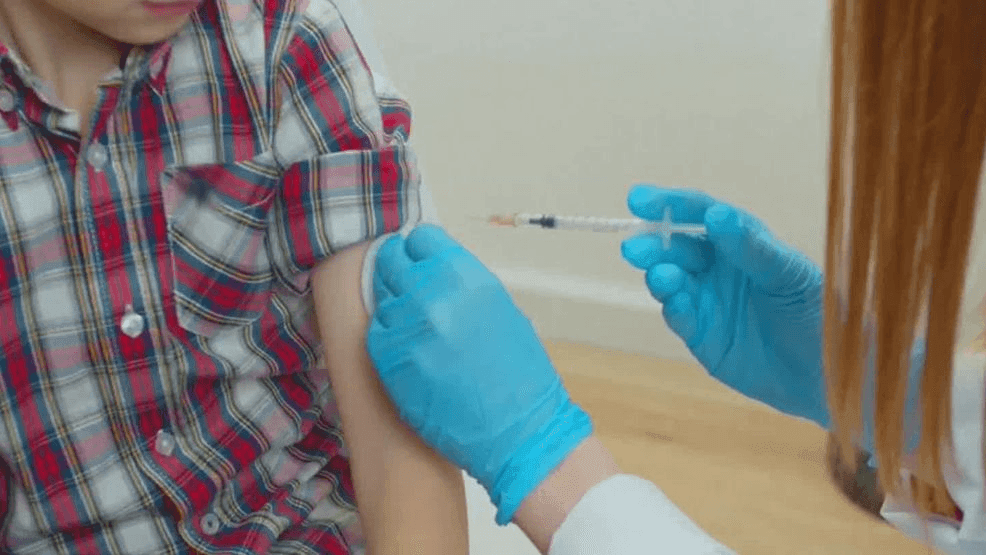
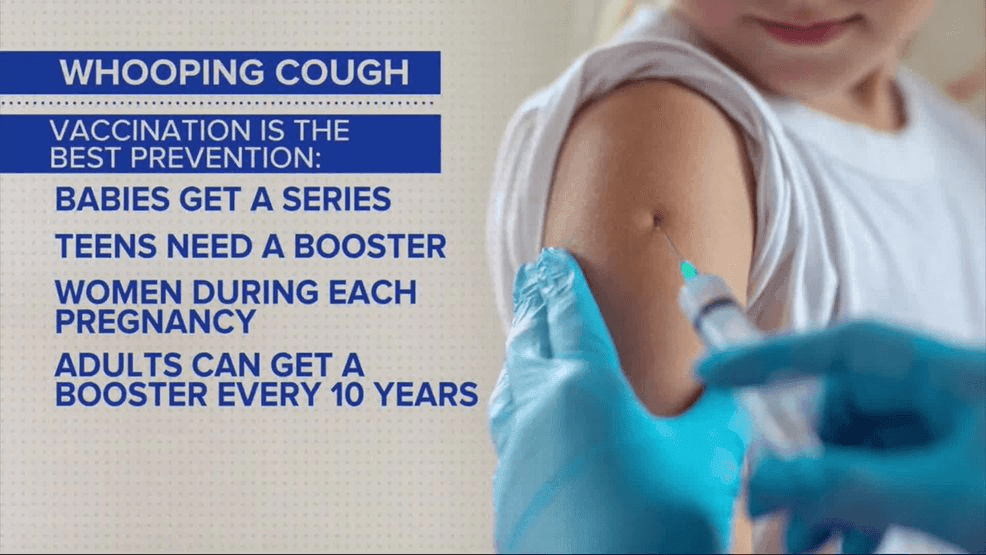
There's a vaccine for whooping cough, or pertussis that's required to attend school. The best way to protect against it is by getting vaccinated.
As of the Nov. 6 alert, 22% of the people who caught it ended up in the hospital.
No exact locations were given, but the highest concentration was in western West Virginia.
Two or more cases in different households that result from the same source of infection are considered an outbreak.
These new concerns come as the governor has instructed his health department to allow religious exemptions for the shot that prevents whooping cough and the state school board fights that change in court.
“It is a little bit of a dichotomy, but we still, as health care professionals, encourage people to get immunized from this disease,” Eshenaur said. “Tetanus and whooping cough, nobody wants either of those disease, whooping cough in particular. Approximately one-in-four children that contract the disease end up requiring hospitalization."
Nationally reported cases of whooping cough have been trending down since a peak in November 2024, but numbers remain elevated in 2025 compared to just before the pandemic.